Sharing one room between a sofa, bed, TV, coffee table, and storage can get awkward fast. The bed is always visible, the walkway disappears, and one oversized piece can make the whole studio feel cramped. A good small living room and bedroom combo needs clear zones, light-friendly dividers, compact furniture, and storage that does not spill into every corner. The ideas below focus on real studio problems: where to place the bed, how to separate it without blocking light, what size furniture works, and how to keep the whole room calm without making it feel bare.
Quick Styling Plan for a Studio Living Room Bedroom Combo
Before buying anything, decide where the three biggest pieces will go: bed, sofa, and TV. Everything else should support that layout.
A strong small-space setup usually follows this order:
- Place the bed in the quietest spot, often near the window or back wall.
- Use the sofa, rug, curtain, or shelving to mark the living area.
- Keep a clear walkway of about 24 to 30 inches where possible.
- Choose furniture with slim arms, open legs, low profiles, or hidden storage.
- Repeat the same color palette across both zones so the room feels connected.
The goal is not to make the studio look like two full-size rooms. The goal is to make each area easy to use without visual clutter.
1. Hang a Sheer Curtain Between the Bed and Sofa

Minimal studio apartment living room bedroom combo with warm white walls, beige textiles, taupe rug, natural wood furniture, black metal accents, soft gray sofa, cream bedding, one muted rust throw pillow repeated on bed and sofa, balanced small-space design, bright window light, clean cozy interior photo, no people, no text
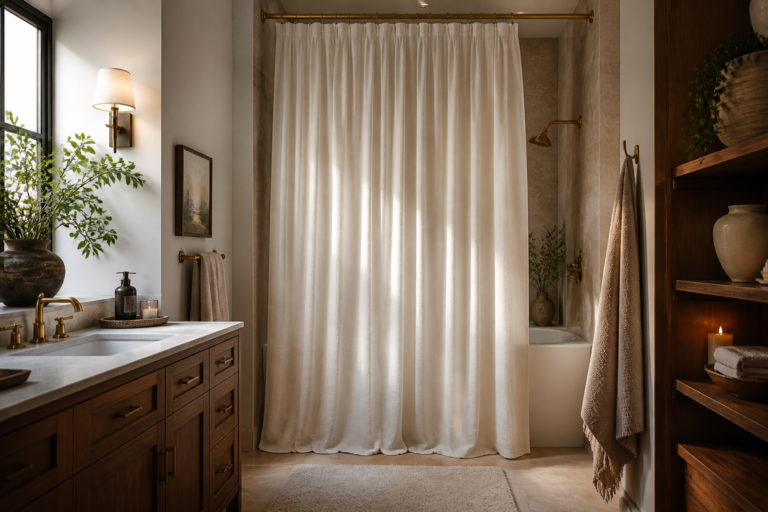
A sheer curtain gives the sleeping area a soft boundary without stealing daylight from the rest of the apartment. This works especially well in studios where the only window sits behind or beside the bed.
Mount the curtain track close to the ceiling instead of halfway down the wall. A ceiling-mounted curtain makes the room look taller and gives the divider a more intentional, built-in feel. For renters, tension rods or renter-friendly ceiling track systems can work if drilling is not allowed.
Choose warm white, oatmeal, light beige, or soft gray fabric. Heavy dark curtains can help with privacy, but they also cut off light and may make the room feel smaller during the day.
2. Use the Sofa as a Room Divider

A sofa can separate the living zone from the sleeping zone without adding another piece of furniture. Place the back of the sofa toward the bed, then face the sofa toward the TV, window, or main wall.
This layout works best when there is enough room to walk behind or beside the sofa. Try to leave at least 24 inches for a tight pass-through and closer to 30 inches for a more comfortable route.
A slim console table behind the sofa can help finish the zone. Keep it narrow, around 8 to 12 inches deep, and style it with a small lamp, a tray, or a plant. Skip the console if it blocks the walkway.
3. Keep the Color Palette Calm but Not Flat

A studio apartment looks more pulled together when the bedroom and living room share the same color family. That does not mean every pillow and blanket has to match. It means the room should repeat a few steady tones.
A good small-space palette might include:
- Warm white walls
- Beige or taupe textiles
- Natural wood furniture
- Black or bronze accents
- One muted color, such as olive, rust, blue-gray, or clay
Use the accent color in both zones. For example, a rust pillow on the sofa can connect to a rust throw at the foot of the bed. That small repeat helps the room feel planned instead of divided into unrelated corners.
4. Choose a Low Bed Frame to Keep Sightlines Open

Tall bed frames, bulky headboards, and high footboards can make a studio feel crowded because the bed already takes up so much visual space. A low platform bed or simple metal frame keeps the sleeping area lighter.
If the bed sits near the window, avoid a headboard that covers the lower half of the glass. Natural light is more valuable than a dramatic headboard in most small apartments.
Under-bed storage can be useful, but keep it neat. Use matching bins, drawers, or zippered fabric bags rather than loose boxes. Messy under-bed storage is still visual clutter if it is visible from the sofa.
5. Anchor the Living Area With the Right Rug Size

A rug tells the eye, “this is the living room.” Without one, the sofa, coffee table, and TV can feel like random pieces floating beside the bed.
In a small studio, the rug should usually be large enough for the front legs of the sofa to sit on it. A tiny rug under only the coffee table often makes the room look smaller because it chops up the floor.
Low-pile rugs are easiest to live with in compact rooms. Flatweave, low wool, or washable rugs handle daily foot traffic better than thick, high-pile options that trap crumbs and make furniture harder to move.
6. Swap a Large Coffee Table for a Round or Nesting Table

A rectangular coffee table can be awkward in a narrow studio because it creates hard corners right where people need to walk. Round, oval, or nesting tables are easier to move around.
Leave about 14 to 18 inches between the sofa and coffee table. Less than that feels tight. More than that can make the table annoying to reach.
Nesting tables are especially helpful because they can expand when guests come over and tuck away when the room needs more floor space. For a softer look, choose wood, rattan, or a light stone finish instead of a heavy black block-style table.
7. Keep the TV Wall Low and Uncluttered

A TV wall can overwhelm a studio if the media console is too tall, too wide, or covered in small objects. Keep this area low so the room does not feel boxed in.
A slim media console with closed doors hides cords, chargers, remotes, and extra cables. Wall-mounting the TV saves surface space, but avoid placing it too high. The screen should be comfortable to watch from the sofa, not mounted near the ceiling like a sports bar.
Decorate lightly around the TV. One plant, one ceramic bowl, or a small stack of books is enough. Too many frames, candles, and tiny objects around the screen make the wall feel busy.
8. Use Lighting to Give Each Zone a Different Mood

One overhead light will make a studio feel flat and harsh. Separate lamps help the living area and sleeping area feel like different zones, even when they share the same walls.
For the sofa area, use a floor lamp, table lamp, or plug-in wall sconce. For the bed, use a small bedside lamp or wall-mounted reading light. Warm bulbs around 2700K to 3000K are better for a relaxed evening feel than cool white bulbs.
Plug-in sconces are a great renter-friendly choice because they free up bedside table space and do not require hardwiring. Use cord covers if the visible cord bothers you.
9. Add Storage That Blends Into the Room

Storage matters in a studio, but open storage can quickly turn into visual noise. A mix of closed storage and a few open shelves usually works best.
Good options include:
- A bed with drawers
- A media console with doors
- Storage ottomans
- Narrow cabinets
- Baskets that fit under a console or shelf
- Wall hooks near the entry
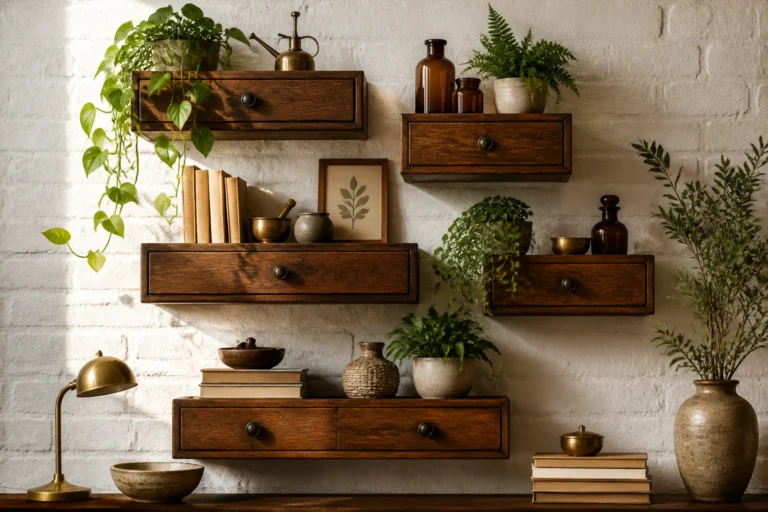
Open shelves should have breathing room. Group items in small clusters and mix practical pieces with a few decorative ones. A shelf packed edge-to-edge with tiny objects will make the whole room feel busier.
10. Style the Bed Like Part of the Decor

Because the bed is visible in a studio, messy bedding affects the whole room. Keep the bed simple, neat, and connected to the living area.
Use a plain duvet or quilt, two sleeping pillows, two larger pillows, and one folded throw. That is usually enough. Too many decorative pillows become a pile on the floor every night.
Repeat one texture from the living area. If the sofa has linen pillows, use linen or cotton bedding. If the room has wood furniture, add a wood bedside table or tray. These small repeats make the bed feel like part of the design instead of a separate sleeping corner.
11. Use Vertical Space Without Blocking the Window

Vertical storage is useful in a studio, but placement matters. Tall bookcases, wardrobes, and shelving units should sit on walls that do not interrupt the window or main sightline.
Place taller storage near the entry, beside the TV wall, or in a corner that already feels underused. Keep the area near the window lighter with low furniture, plants, or a simple curtain.
Floating shelves can help, but do not install deep shelves above the bed unless they are secure and styled lightly. Heavy shelves over a pillow area can feel uncomfortable, even when they are installed correctly.
12. Leave a Little Empty Space on Purpose

A studio does not need decor in every corner. Empty space helps the room feel calmer and makes the furniture layout easier to understand.
Leave part of a wall blank. Keep the coffee table surface simple. Let the walkway stay open. Avoid adding a chair, basket, plant stand, or side table just because there is a small gap.
Small apartments often look better with fewer, stronger choices: one good rug, one curtain divider, one compact sofa, one clean media console, and bedding that always looks presentable.
Best Layout Options for a Small Living Room and Bedroom Combo
A studio layout depends on the room shape, but a few arrangements work again and again.
For a long narrow studio, place the bed near the window or back wall, then float the sofa or place it along one side. Keep the main walkway clear along the opposite side of the room.
For a square studio, try placing the bed in one corner and using the sofa back or curtain to divide the sleeping area. A rug can define the living zone in the center.
For a studio with the kitchen near the entry, keep the living area between the kitchen and bedroom if possible. This creates a natural flow from cooking to lounging to sleeping.
Avoid placing a tall wardrobe or bookcase between the window and sofa unless the room gets plenty of light. In most small apartments, light flow matters more than a dramatic divider.
Common Mistakes to Avoid
Buying furniture before measuring is the quickest way to make a studio feel cramped. Measure the bed, sofa, media console, coffee table, and the walking paths between them before ordering anything.
Another common mistake is treating the bed like it belongs to a separate room. In a studio, the bed is part of the main view. Bedding, bedside lighting, and the headboard area should coordinate with the sofa and rug.
Too many small storage pieces can also create clutter. Five baskets, two carts, three tiny shelves, and a random cabinet will usually look messier than one closed storage unit that fits the wall properly.
FAQ
How do you make a studio apartment feel like it has a separate bedroom?
Use a soft divider, such as a sheer curtain, sofa back, rug boundary, or open shelving. Keep the bed in the quietest area and give it its own lamp, bedside surface, and simple bedding so it reads as a defined sleeping zone.
Where should the sofa go in a studio apartment?
The sofa should face the main focal point, usually the TV, window, or best wall, while helping define the living area. In many studios, floating the sofa with its back toward the bed works better than pushing it against the longest wall.
What is the best divider for a small studio apartment?
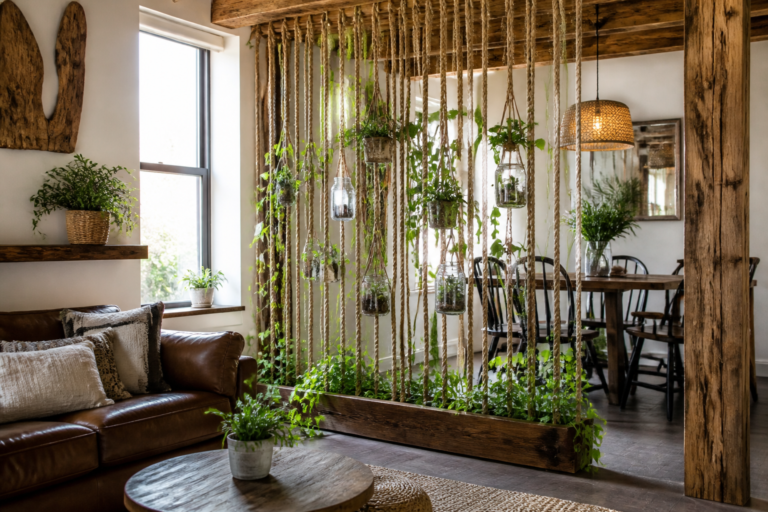
A sheer curtain is usually the most flexible option because it adds privacy without blocking daylight. Open shelving can work in wider rooms, but it needs careful styling and enough space around it.
How do you keep a small living room and bedroom combo from looking cluttered?
Use closed storage, repeat a tight color palette, avoid oversized furniture, and leave clear walkways. Keep visible surfaces edited: a tray on the coffee table, a lamp by the bed, and fewer small objects on shelves.
Conclusion
A small living room and bedroom combo feels better when the layout does more of the work than the decor. Start with the bed, sofa, and TV placement, then add a light divider, right-size rug, compact tables, and storage that hides daily clutter. Even one change, like hanging a curtain or replacing a bulky coffee table, can make the studio feel more organized and easier to live in.